 John
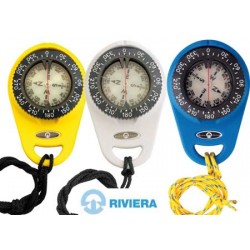
In an age dominated by digital technology and GPS devices, the handheld compass remains one of the most reliable and essential navigation tools ever created. Whether you’re a sailor, hiker, camper, or explorer, a compass provides a simple yet powerful way to find direction — even when electronic devices fail. Compact, durable, and timeless, handheld compasses continue to be a vital companion for outdoor and marine navigation.
The Purpose of a Handheld Compass
A handheld compass is designed to help users determine direction relative to the Earth’s magnetic poles. It works without batteries, satellites, or cell signals, making it indispensable for navigation in remote areas or emergency situations. For boaters, it serves as a backup to electronic navigation systems, ensuring safe travel even if power or GPS signals are lost. On land, hikers and adventurers rely on it for precise orientation when exploring new or unfamiliar terrains.
How a Handheld Compass Works
The operation of a compass is based on a simple scientific principle: a magnetized needle aligns itself with the Earth’s magnetic field, pointing toward magnetic north. The user then uses the rotating bezel or degree markings to find bearings or navigate along a specific heading.
There are several types of handheld compasses, including:
- Magnetic Compasses: The classic design, featuring a magnetic needle on a pivot inside a liquid-filled housing for stability.
- Lensatic Compasses: Used by the military and professionals for precise bearings and map reading.
- Baseplate (Orienteering) Compasses: Popular among hikers, featuring a transparent base for use directly on maps.
- Digital Handheld Compasses: Combine traditional magnetism with electronic sensors and often include additional features like altimeters or thermometers.
Key Features and Construction
Modern handheld compasses are designed with durability and accuracy in mind. Most feature liquid damping for smooth needle movement, luminous markings for low-light use, and robust housings made of aluminum, brass, or high-impact plastic. Some marine-grade models are waterproof and corrosion-resistant, ideal for sailors and kayakers operating in harsh environments.
Additional features may include:
- Clinometers for measuring slopes or elevation angles.
- Declination adjustment to correct for differences between true north and magnetic north.
- Sighting mirrors for precise navigation and long-distance bearings.
Why Choose a Handheld Compass
While GPS systems are highly convenient, they depend on batteries and satellite signals. A handheld compass, by contrast, is reliable, self-contained, and immune to electronic interference. It teaches situational awareness and traditional navigation skills that every outdoor enthusiast or mariner should master. Furthermore, a good compass can last decades with minimal maintenance, making it a wise long-term investment.
Maintenance and Care
Caring for a handheld compass is simple. Keep it clean, dry, and free from magnetic interference such as electronics or metal objects. Avoid dropping or exposing it to extreme heat, which can damage the internal fluid or needle. Regularly check for air bubbles or sluggish movement, as these can affect accuracy.
Conclusion
The handheld compass remains a symbol of timeless navigation — dependable, precise, and beautifully simple. Whether used as a primary tool for backcountry adventures or as a backup for marine navigation, it ensures that you’ll never lose your sense of direction. In a world increasingly reliant on technology, the compass stands as a reminder that sometimes, the simplest tools are still the most trustworthy guides.
