 John
Fitting plastic central heating pipes requires precision and knowledge of proper installation techniques to ensure efficient heat distribution throughout your home. Plastic pipe fittings have revolutionized heating system installations by offering easier assembly and better flexibility compared to traditional copper pipes. Understanding how to properly work with plastic pipe fittings ensures your heating system operates safely and effectively. While PVC drain pipe systems serve different purposes, the fundamental principles of connecting plastic pipe fittings apply across many plumbing applications. Mastering the installation of plastic pipe fittings allows you to maintain or upgrade your central heating system with confidence.
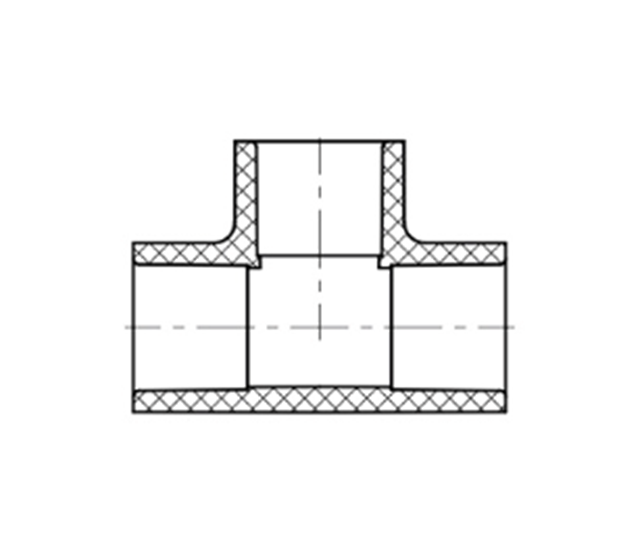
Selecting the Correct Plastic Pipe Fittings
Central heating systems require specific plastic pipe fittings designed to withstand higher temperatures and pressures than standard drain applications. Choose plastic pipe fittings rated for your system’s operating temperature, typically between 60[1] and 82 degrees Celsius for most residential heating systems. Quality plastic pipe fittings come in various configurations including elbows, tees, and unions to suit your layout. Verify that all your plastic pipe fittings match the pipe diameter and meet building code requirements. Selecting appropriate plastic pipe fittings from the start prevents compatibility issues and system failures.
Preparing Pipes for Connection
Cut your plastic heating pipes to exact measurements using a sharp hacksaw or specialized plastic pipe cutter for clean, straight edges. Deburr the cut ends to remove rough edges that could damage your plastic pipe fittings during installation. Insert a support sleeve or insert fitting inside the pipe end to reinforce the connection point. Proper pipe preparation ensures plastic pipe fittings seat correctly and create secure joints. Clean pipe surfaces improve the seal quality when connecting plastic pipe fittings.
Installing and Securing Connections
Push your plastic pipe fittings firmly onto the prepared pipe ends, twisting slightly to ensure proper seating. For push-fit plastic pipe fittings, insertion to the marked depth line indicates a complete connection. Some heating systems use crimped or mechanical plastic pipe fittings requiring specialized tools for installation. Test all connections before activating your heating system.
Conclusion
Properly fitting plastic central heating pipes ensures your system delivers consistent warmth throughout your home. LESSO America manufactures high-quality plastic pipe fittings specifically designed for heating applications and general plumbing needs. Choose LESSO America’s reliable products to ensure your central heating system functions efficiently and safely for years to come.

 SEO