 John
Rich aroma can change the character of a familiar dish even before the first bite. Chili oil is especially interesting because its role extends beyond heat: the oil carries pepper aroma, coats ingredients, and creates a visible layer of color that can make simple foods more expressive.
For an sriracha sauce exporter, understanding these sensory functions helps explain why spicy condiments are used differently across cuisines. JOLION Foods offers products in this category while also serving markets where chili-based seasonings are incorporated into meat, vegetables, noodles, and other everyday dishes.
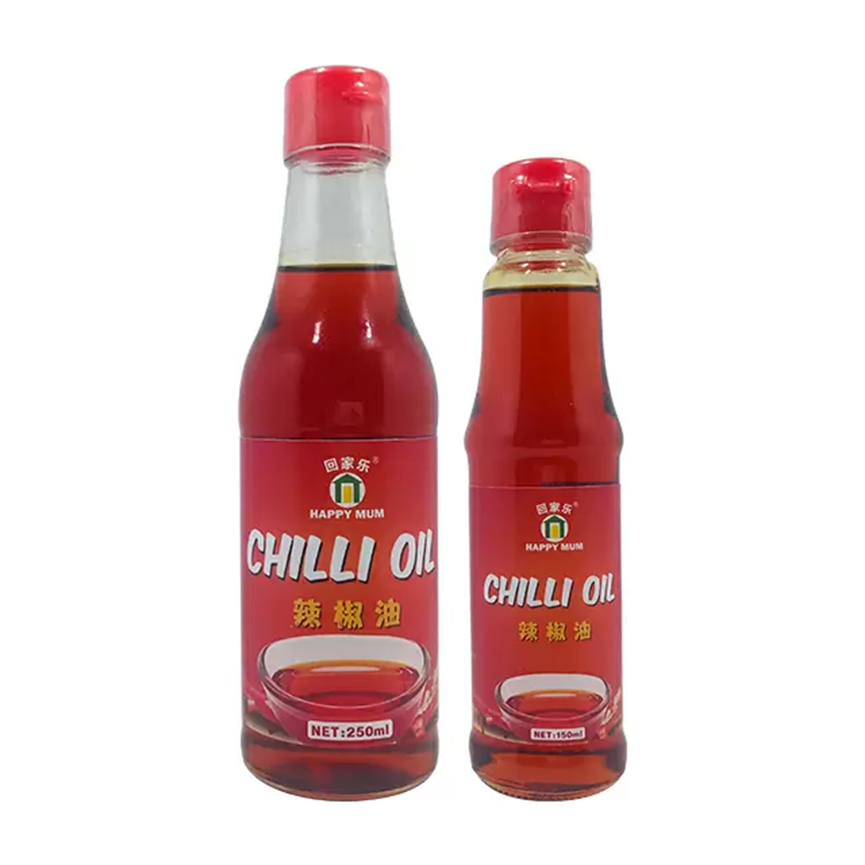
How Chili Oil Carries Flavor
Oil and water behave differently in food, and that distinction helps explain why chili oil has such a noticeable effect. Oil can carry fat-soluble aromatic compounds from peppers and spices, allowing those aromas to remain on the surface of food rather than immediately dispersing into a watery cooking liquid.
The pepper particles also influence the eating experience. Fine particles can create a relatively even distribution, while coarser ingredients may provide occasional bursts of aroma and spice. Color becomes another sensory cue, particularly when red pepper pigments create a bright or deep red appearance against pale noodles, vegetables, or cooked proteins.
Temperature during preparation matters as well. Excessive heat can alter delicate aromatic compounds and may produce an overly harsh flavor, whereas controlled heating allows spices and peppers to release their character into the oil. This principle is relevant when chili oil is used as a finishing condiment rather than simply added during cooking.
Pairing Chili Oil With Different Foods
Noodles provide an especially suitable base because their relatively neutral flavor allows aromatic condiments to become more noticeable. A small amount can coat the strands and distribute flavor throughout the dish, while additional ingredients such as vinegar, soy sauce, sesame, or fresh herbs can create greater contrast.
Vegetables present a different opportunity. Steamed or blanched vegetables may have a clean, mild taste, so chili oil can introduce richness and fragrance without requiring complicated preparation. The oil can also complement roasted vegetables, where caramelized surfaces provide a contrasting sweetness.
Meat dishes benefit from another combination of textures. Fat, protein, and browned surfaces can soften the perception of sharp spice, allowing aromatic pepper notes to remain prominent. An sriracha sauce exporter serving foodservice or retail buyers may need to consider these differences because the same spicy condiment can function as a marinade ingredient, finishing sauce, dipping accompaniment, or recipe component.
Understanding Heat, Aroma, and Mouthfeel
Spiciness is only one dimension of a chili condiment. Capsaicin creates the familiar burning sensation, but the perception of heat changes according to the surrounding ingredients. Oils, fats, starches, sugars, and acidic components can all influence how quickly the sensation develops and how long it remains.
Aroma contributes another layer that is often noticed before the heat itself. Fresh pepper notes may create a brighter impression, while toasted or processed ingredients can produce deeper savory characteristics. Two sauces with similar levels of pungency may consequently taste quite different when their aromatic profiles are not the same.
Mouthfeel deserves attention in commercial applications too. An oil-based condiment can provide smoothness and lubrication, while suspended pepper particles introduce texture. These physical qualities affect how the sauce interacts with food, particularly when it is drizzled over noodles or vegetables rather than mixed into a liquid recipe.
Packaging and Commercial Application
JOLION Foods provides a 150ml glass bottle of chili oil intended for meats, vegetables, and noodles, with its format suited to the role of a versatile table condiment. Glass packaging can also provide a clear view of the product’s appearance, which may be relevant when consumers evaluate color and suspended ingredients. Beyond this specific format, packaging selection should reflect storage, transportation, dispensing habits, and the expectations of the target sales channel.
For distributors, package size can influence how a condiment fits different purchasing occasions. Smaller formats may suit household use or table service, whereas larger containers can be more practical in professional kitchens. Closure design also matters because repeated opening can expose the product to air and handling.
An sriracha sauce exporter may work with buyers who require different specifications according to retail, foodservice, or manufacturing applications. Ingredient declarations, shelf-life information, storage instructions, packaging materials, and destination-market labeling requirements all deserve review before commercial sourcing. Such details are particularly useful when a condiment is expected to travel through several stages of distribution.
Conclusion
Chili oil occupies an unusual place between cooking ingredient and table condiment, which explains its versatility across many food traditions. Its value comes from the interaction of pepper aroma, oil-based texture, visual appeal, and perceived heat rather than from spiciness alone.
JOLION Foods provides a 150ml glass bottle format that reflects one practical approach to serving chili oil with common foods, while an sriracha sauce exporter can address broader condiment applications by considering sensory characteristics alongside packaging and intended use.

 SEO
 admin