 John
For commercial and light-commercial refrigeration procurement, temperature range and storage flexibility are important considerations alongside capacity, energy efficiency, and serviceability. When institutional buyers, hospitality fleets, and retail chains evaluate cold storage equipment, the focus moves from basic chilling capacity to long-term operational adaptability, spanning diverse inventory requirements, varying food preservation standards, and complex aftermarket maintenance networks.
To handle these variables effectively, enterprise buyers often work with a China refrigerator brand that can deliver Original Design Manufacturing (ODM) solutions at industrial scale. This strategic approach lets retail brands implement advanced mechatronics and versatile storage configurations without taking on the financial cost of building their own factories.
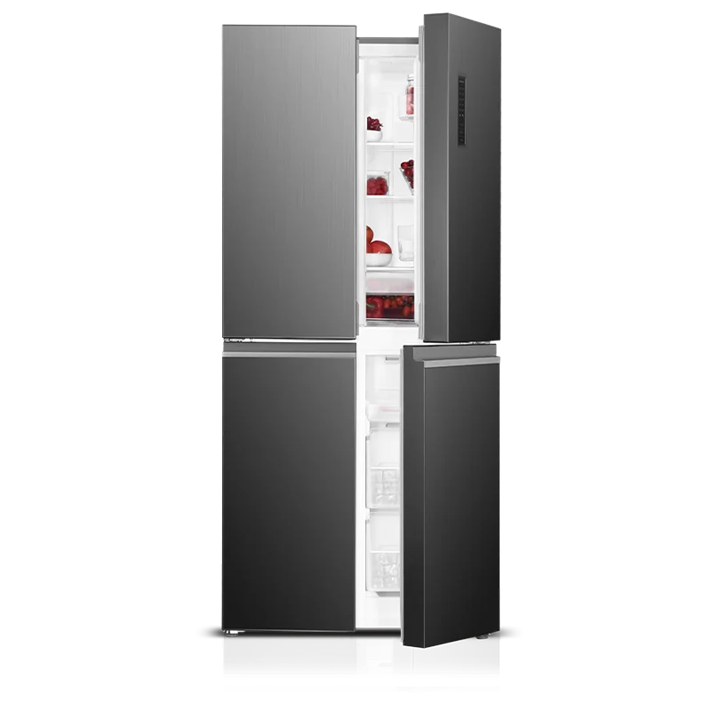
Dynamic Compartmentalization and Converter Box Technology
For refrigeration procurement, a key consideration is whether a modular appliance platform can support different storage requirements without requiring multiple dedicated configurations. Traditional setups usually need separate, dedicated units for fresh produce, deep freezing, and intermediate beverage cooling.
Some refrigerator platforms use convertible compartments, sometimes marketed as converter boxes, to provide adjustable storage conditions for different types of food. By designing isolated internal cavities where the internal climate can shift smoothly from standard refrigeration to sub-zero freezing, manufacturers give wholesale buyers significant operational flexibility.
Depending on the model, this compartmentalization can involve controlled airflow, electronic temperature management, and dedicated cooling components to support different storage conditions. For example, keeping fresh seafood on simulated ice beds needs high humidity and temperatures just above freezing, while long-term meat storage calls for dry, deep-freeze environments.
Putting these distinct thermal capabilities into a single chassis cuts down the physical footprint needed in commercial kitchens or modern spaces. For wholesale buyers, carrying versatile units reduces SKU counts, lowers shipping complexity, and simplifies inventory forecasting, since one adaptable model can meet multiple different end-user needs across different sales channels.
Serviceability Architecture and Maintenance Logistics
Beyond initial procurement, the Total Cost of Ownership (TCO) for a refrigeration fleet is closely linked to aftermarket maintenance efficiency. High-volume buyers evaluate appliances mainly on their serviceability architecture—the deliberate design of internal parts to enable quick field repair. Original Equipment Manufacturers (OEM) build these broad platforms using modular components, standardizing parts like hinges, fan motors, and control boards across multiple product lines to make servicing easier.
When a compressor, inverter, or digital control board needs replacing, standardized modularity cuts the Mean Time To Repair (MTTR) for field service teams. Technicians can reach critical mechanical bays without taking apart the entire exterior chassis.
In addition, using standardized internal parts means regional distributors and service centers can keep fewer specialized components in stock, lowering warehouse holding costs and freeing up working capital. This structural approach to product lifecycle management gives enterprise buyers predictable operational costs, extends equipment life, and reduces appliance downtime in demanding commercial environments.
R&D Infrastructure and High-Volume Validation
Moving a conceptual design into a market-ready appliance takes strong Research and Development (R&D) infrastructure. Established international manufacturers run sophisticated testing facilities staffed by specialists in mechatronics, thermodynamics, user experience, and computer science.
Before mass production, manufacturers typically conduct design and product testing covering thermal performance, electrical safety, structural integrity, and energy consumption under defined test conditions. These tests provide performance data that can support production validation and quality control during high-volume manufacturing.
For large-order customization, this environmental testing phase is critical. When an overseas brand asks for a specific interface change or a custom interior layout, factory engineers have to validate the requested changes against the thermodynamic baseline of the original platform. High-volume manufacturing requires controlled tolerances and consistent production processes, making standardised testing important for scaling production reliably.
White-Label Neutrality and Interface Customization
For global retail brands and regional distributors, keeping their distinct market identity is a key commercial goal. Deliberate white-label neutrality is a strategic advantage of B2B-dedicated manufacturers in Homa Appliances‘ segment. Because these factories focus on B2B partnerships rather than competing retail brands in the buyer’s own markets, they can direct their engineering resources toward strengthening the client’s brand presence rather than competing for retail shelf space.
This functional neutrality lets procurement teams specify exterior finishes, bespoke digital interfaces, and proprietary internal storage layouts without conflicting with the manufacturer’s own retail interests. The physical hardware serves as a reliable, high-performance foundation.
An ODM partner can provide the core product engineering and manufacturing, while the purchasing brand can customise selected aesthetic and interface elements and obtain the certifications required for its target markets. This collaborative B2B model speeds up go-to-market time, since the foundational engineering is already tested, approved, and certified to international trade standards.
Long-Term Value in Procurement Strategy
The modern supply chain needs deep alignment between product engineering, manufacturing scale, and ongoing lifecycle support. Procurement teams evaluating international manufacturing partners look well beyond initial unit pricing to assess the underlying structural architecture of the appliances. By prioritizing modular designs, multi-climate storage flexibility, and neutral branding platforms, wholesale buyers put themselves in a position to adapt quickly to changing market trends.
Choosing an established, high-capacity manufacturing partner gives procurement teams a solid base for broad distribution networks, with consistent performance, streamlined repair processes, and manageable operational costs across global markets.
