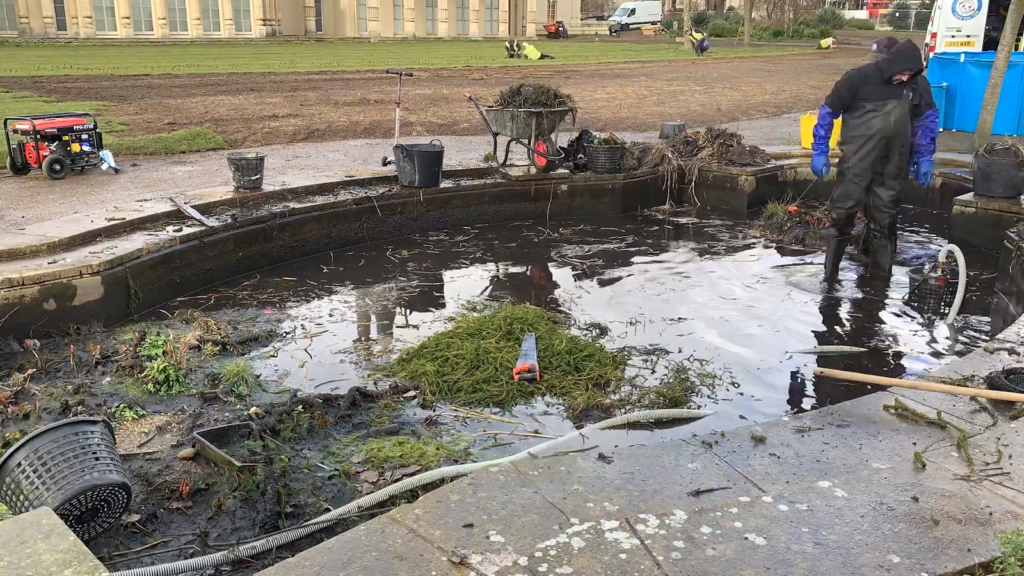
Owning a pond in Sussex is a real pleasure. With its mix of countryside gardens, coastal homes, and leafy villages, ponds add beauty and calm to outdoor spaces. But without proper care, even the most attractive pond can quickly become cloudy, smelly, and unhealthy. That’s where pond cleaning in Sussex becomes essential.
Over time, leaves, fish waste, algae, and sludge naturally build up. Left untreated, this buildup affects water quality, stresses fish, and encourages unwanted algae growth. Regular pond cleaning keeps everything balanced and enjoyable.
Whether you have a small garden pond, a wildlife haven, or a fully stocked koi pond, professional pond cleaning ensures your pond stays clear and healthy throughout the year.
In this article, we’ll explore why pond cleaning matters, what’s involved, and how professional pond cleaning services in Sussex can help protect your pond investment.
Introduction to Pond Cleaning in Sussex
Sussex ponds face unique challenges. Trees shed leaves in autumn, warm summers encourage algae growth, and wildlife activity adds to organic waste.
Rainfall and changing temperatures also affect water chemistry, making routine maintenance essential. Pond cleaning isn’t just about appearances—it’s about maintaining a healthy ecosystem.
Professional pond cleaning services in Sussex understand local conditions and tailor their approach accordingly. This ensures your pond receives the right care at the right time.
Why Regular Pond Cleaning Is Essential
Pond cleaning removes accumulated debris before it breaks down into harmful toxins. Sludge buildup releases ammonia and reduces oxygen levels, stressing fish and beneficial bacteria.
Clean ponds have clearer water, better oxygen levels, and healthier fish. They’re also easier to maintain long-term.
Regular cleaning prevents small issues from becoming expensive problems, such as pump failures or major algae blooms.
Common Pond Problems Faced by Sussex Pond Owners
Many Sussex pond owners struggle with:
- Excessive leaf debris in autumn
- Green water during sunny months
- Thick sludge at the pond bottom
- Blocked pumps and filters
These issues are common but manageable with routine cleaning and professional support.
What Does Pond Cleaning Involve?
Pond cleaning begins with a full inspection. Water quality, fish health, and equipment condition are assessed.
The cleaning process may include removing debris, vacuuming sludge, cleaning filters, and checking pumps. In some cases, partial water changes are recommended.
The goal is to restore balance without disturbing beneficial bacteria or wildlife.
Seasonal Pond Cleaning in Sussex
Different seasons require different cleaning approaches.
Spring Pond Cleaning
Spring cleaning removes winter debris and prepares the pond for warmer months. It helps prevent algae blooms and supports fish as they become more active.
Autumn Pond Cleaning
Autumn cleaning focuses on leaf removal and sludge reduction. This prevents organic matter from decaying over winter and harming water quality.
Pond Cleaning for Garden Ponds
Garden ponds are often designed for visual appeal. Cleaning keeps water clear and features such as waterfalls and fountains running smoothly.
Professional cleaning restores the pond’s appearance while protecting plants and decorative elements.
Pond Cleaning for Koi Ponds
Koi ponds require specialist care due to high fish loads and valuable stock. Cleaning must be done carefully to avoid stressing koi.
Professional services use fish-safe methods, maintain filtration bacteria, and ensure optimal water quality.
Wildlife-Safe Pond Cleaning Practices
Wildlife ponds support frogs, insects, and birds. Cleaning must be gentle and timed to avoid disturbing breeding cycles.
Experienced pond cleaners in Sussex follow wildlife-friendly practices, preserving natural habitats while maintaining water health.
Professional Pond Cleaning vs DIY
DIY cleaning can work for small ponds, but it often misses underlying issues. Incorrect cleaning can remove beneficial bacteria or harm fish.
Professional pond cleaning saves time, reduces risk, and delivers longer-lasting results.
Equipment Used in Professional Pond Cleaning
Professionals use specialist pond vacuums, water testing kits, and fish-safe cleaning tools.
They also inspect and service pumps, filters, and UV systems to ensure everything runs efficiently.
How Often Should a Pond Be Cleaned?
Cleaning frequency depends on pond size, fish load, and surroundings. Most ponds benefit from one or two professional cleans per year.
Heavily stocked koi ponds may require more frequent attention.
Signs Your Pond Needs Cleaning
Common signs include cloudy water, unpleasant smells, slow pump flow, and excessive algae.
Addressing these early prevents more serious problems.
Benefits of Hiring a Pond Cleaning Service in Sussex
Professional pond cleaning offers peace of mind. You save time, avoid mistakes, and enjoy a healthier pond year-round.
Local experts understand Sussex conditions and tailor their services accordingly.
Choosing the Right Pond Cleaning Company in Sussex
Look for experience, positive reviews, and clear communication. A good company will assess your pond and explain their process clearly.
Cost of Pond Cleaning in Sussex
Costs vary depending on pond size, condition, and type. While prices differ, professional cleaning is a worthwhile investment in pond health.
Conclusion: Keeping Your Sussex Pond at Its Best
Regular pond cleaning in Sussex keeps ponds clear, healthy, and enjoyable. Whether handled seasonally or as needed, professional care protects your pond, fish, and equipment—ensuring your outdoor space remains a source of calm and beauty.
FAQs About Pond Cleaning in Sussex
1. How long does pond cleaning take?
Usually a few hours, depending on pond size and condition.
2. Is pond cleaning safe for fish?
Yes, when done professionally using fish-safe methods.
3. Do I need to drain my pond for cleaning?
Not always—many cleanings are done without full drainage.
4. When is the best time for pond cleaning?
Spring and autumn are ideal for most ponds.
5. Can wildlife ponds be professionally cleaned?
Yes, using gentle, wildlife-friendly techniques.