 John
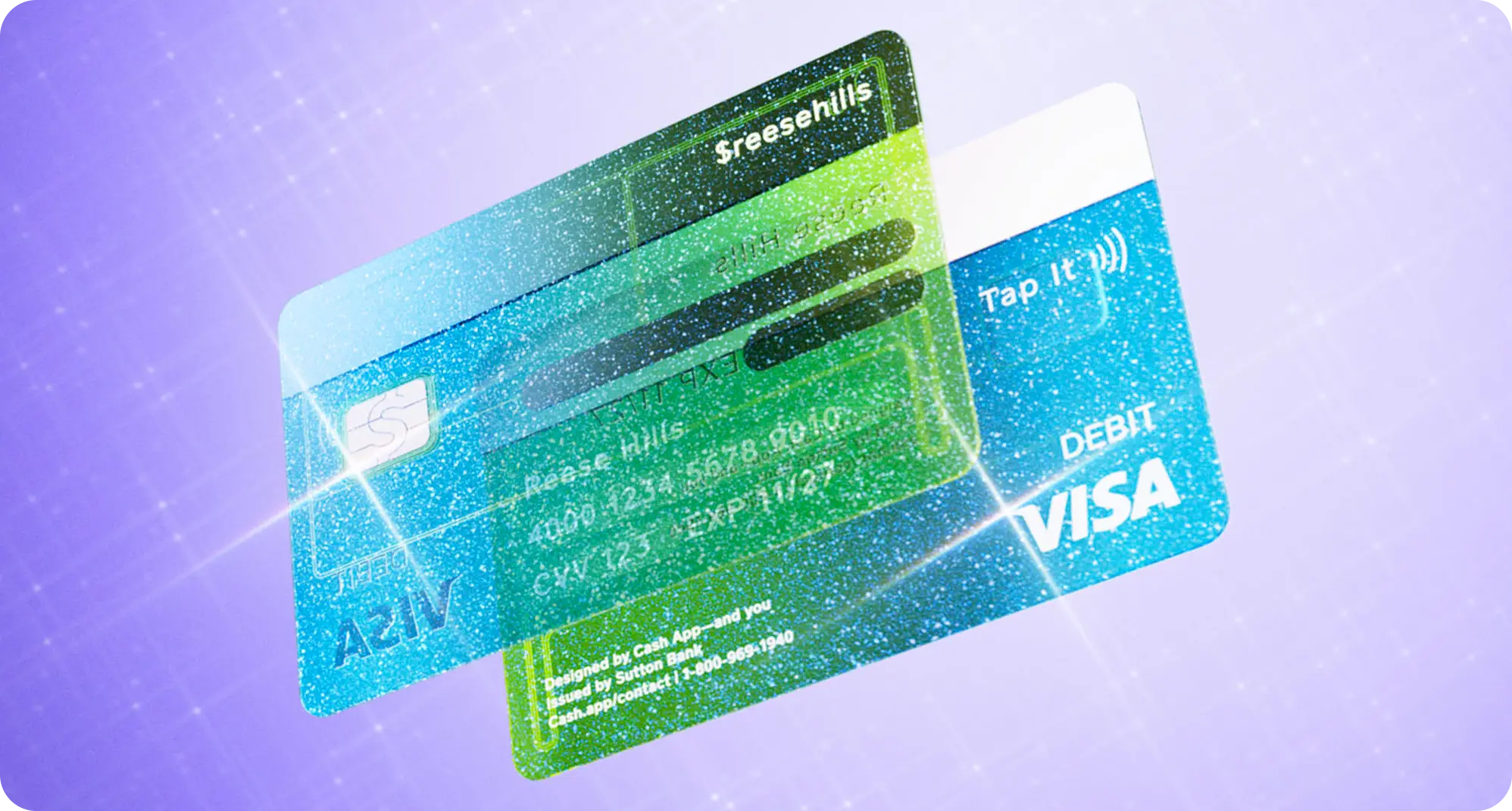
Credit cards have become an integral part of modern financial systems, offering convenience, security, and an array of benefits to cardholders. With the right strategies, a credit card can be a valuable tool for managing finances, building credit, and accessing exclusive rewards. However, improper use can lead to financial challenges. This comprehensive guide will explore the world of credit cards, their advantages, potential pitfalls, and tips for effective use.
The concept of credit has existed for centuries, but modern credit cards emerged in the mid-20th century https://www.himoney24.com. Initially introduced as charge cards for select establishments, they evolved into a widespread financial instrument used globally. With advancements in technology, credit cards now come with contactless payments, mobile app integration, and enhanced security features. This evolution has made them a ubiquitous part of daily transactions.
Credit cards are tailored to meet various consumer needs. Rewards credit cards offer points, cashback, or miles for every purchase, attracting frequent shoppers or travelers. Secured credit cards are designed for individuals with limited or no credit history, requiring a security deposit. Balance transfer cards allow users to transfer high-interest debt and pay it off at a lower rate. Additionally, business credit cards cater to entrepreneurs, offering features like expense tracking and employee cards. Each type comes with unique benefits and eligibility criteria, making it crucial for users to select one that aligns with their financial goals.
One of the primary benefits of a credit card is its ability to build a credit history. Regular and responsible usage, such as paying bills on time and keeping balances low, can significantly improve a credit score. Credit cards also offer unparalleled convenience; they eliminate the need to carry cash, provide global acceptance, and enable online transactions. Many cards include perks like fraud protection, purchase protection, and travel insurance, adding an extra layer of security. Additionally, reward programs, such as cashback or travel miles, incentivize users to spend responsibly.
Despite their benefits, credit cards come with fees that users should understand to avoid unnecessary costs. Annual fees, late payment fees, and foreign transaction fees are common. The Annual percentage rate (APR) is a key factor, representing the interest rate charged on unpaid balances. Some cards offer introductory 0% APR periods, which can be advantageous for large purchases or debt consolidation. To maximize benefits and minimize costs, it’s essential to pay balances in full whenever possible and avoid carrying over high-interest debt.
Credit card rewards programs are a significant draw for many consumers. Cashback cards offer a percentage of spending back, either as a statement credit or cash. Travel cards provide points or miles that can be redeemed for flights, hotels, and other travel-related expenses. Store-branded cards often give discounts and exclusive offers at specific retailers. To optimize rewards, users should focus on cards that align with their spending habits and redeem points or miles strategically.
While credit cards offer numerous advantages, misuse can lead to financial strain. Common mistakes include overspending, making only minimum payments, and missing payment deadlines. Carrying high balances can hurt credit scores and lead to excessive interest charges. Another pitfall is applying for too many cards within a short period, which can lower a credit score temporarily. Staying informed about terms, interest rates, and fees can help users avoid these mistakes and maintain financial health.
Credit card fraud is a growing concern in today’s digital age. Scammers use various tactics, such as phishing emails and skimming devices, to steal card information. Cardholders should remain vigilant, regularly monitor their statements, and report suspicious activity immediately. Using cards with chip technology, enabling transaction alerts, and avoiding public Wi-Fi for online transactions are effective measures to enhance security. Many credit card issuers offer zero-liability policies, protecting users from unauthorized transactions.
Credit and debit cards may look similar but function differently. Debit cards draw funds directly from a bank account, whereas credit cards extend a line of credit that users repay later. Credit cards often provide better fraud protection and more robust rewards programs. However, they require careful management to avoid debt. Understanding these distinctions can help consumers decide which payment method suits their needs in different scenarios.
Selecting the right credit card depends on individual financial goals and spending habits. Factors to consider include the card’s rewards program, annual fees, interest rates, and additional perks. For frequent travelers, a card with no foreign transaction fees and travel benefits may be ideal. Those seeking to rebuild credit might opt for a secured card. Comparing offers and reading reviews can aid in finding a card that matches personal preferences and financial objectives.
Using a credit card responsibly is crucial for building and maintaining good credit. This involves paying bills on time, keeping credit utilization low, and avoiding unnecessary applications for new cards. Regularly checking credit reports ensures accuracy and helps identify areas for improvement. Over time, consistent responsible behavior can lead to higher credit scores, which unlock better financial opportunities, such as lower interest rates on loans and premium credit card offers.
Credit cards can be a double-edged sword when it comes to debt. While they offer flexibility, they can lead to financial challenges if not managed carefully. Balance transfer cards can help consolidate debt and reduce interest payments, provided the user adheres to the repayment timeline. Creating a budget, setting up payment reminders, and avoiding impulse purchases are essential practices for managing credit card debt effectively.
As technology continues to advance, the future of credit cards looks promising. Contactless payments, virtual cards, and integration with digital wallets are becoming more prevalent, offering enhanced convenience and security. Artificial intelligence and machine learning are also being used to detect fraud and personalize rewards programs. The emergence of cryptocurrency-linked credit cards is another exciting development, reflecting the evolving landscape of payments.
Credit cards, when used wisely, can be a powerful financial tool. They offer a plethora of benefits, from building credit to accessing exclusive rewards and enhancing financial flexibility. However, responsible usage is key to avoiding pitfalls such as debt and fees. By understanding the nuances of credit cards, choosing the right one, and employing effective management strategies, users can unlock their full potential and enjoy a seamless financial experience. Whether you are a seasoned credit card user or a newcomer, adopting a mindful approach will ensure that your credit card serves as a stepping stone to financial success.
